 | ||
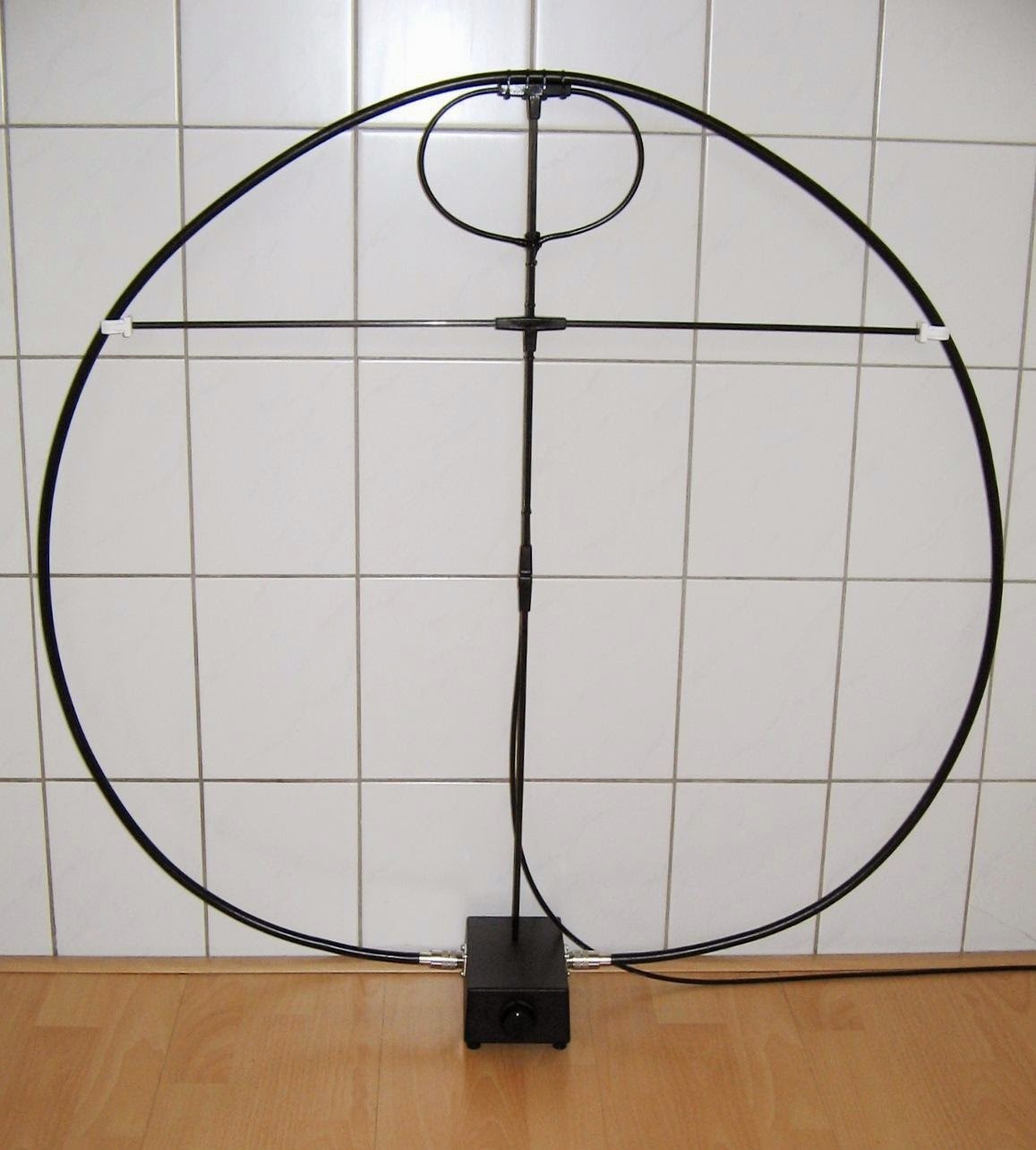
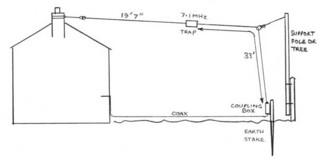
The Wonder Whip?
A £10 QRP Portable Multiband Antenna for HF, VHF and UHF
A variation on the “Miracle Whip” and “Wander Wand”.
 | ||
29 October 2016
A £10 QRP Portable Multiband Antenna for HF, VHF and UHF





20 February 2015


8 February 2015


6 February 2015

8 July 2014
Understanding propagation numbers
How To Read Propagation Numbers
The A index [ LOW is GOOD ]
A lower A-Index generally suggests better propagation on the 10, 12, 15, 17, & 20 Meter Bands; a low & steady Ap-Index generally suggest good propagation on the 30, 40, 60, 80, & 160 Meter Bands.
SFI index [ HIGH is GOOD ]
Higher Solar Flux generally suggests better propagation on the 10, 12, 15, 17, & 20 Meter Bands; Solar Flux rarely affects the 30, 40, 60, 80, & 160 Meter Bands.
K index [ LOW is GOOD ]
A lower K-Index generally suggests better propagation on the 10, 12, 15, 17, & 20 Meter Bands; a low & steady Kp-Index generally suggest good propagation on the 30, 40, 60, 80, & 160 Meter Bands.
Copyright VR2/KQ6XA and ARRL OES
The A index [ LOW is GOOD ]
- 1 to 6 is BEST
- 7 to 9 is OK
- 11 or more is BAD
A lower A-Index generally suggests better propagation on the 10, 12, 15, 17, & 20 Meter Bands; a low & steady Ap-Index generally suggest good propagation on the 30, 40, 60, 80, & 160 Meter Bands.
SFI index [ HIGH is GOOD ]
- 70 NOT GOOD
- 80 GOOD
- 90 BETTER
- 100+ BEST
Higher Solar Flux generally suggests better propagation on the 10, 12, 15, 17, & 20 Meter Bands; Solar Flux rarely affects the 30, 40, 60, 80, & 160 Meter Bands.
K index [ LOW is GOOD ]
- 0 or 1 is BEST
- 2 is OK
- 3 or more is BAD
- 5 is VERY VERY BAD
A lower K-Index generally suggests better propagation on the 10, 12, 15, 17, & 20 Meter Bands; a low & steady Kp-Index generally suggest good propagation on the 30, 40, 60, 80, & 160 Meter Bands.
Copyright VR2/KQ6XA and ARRL OES
Subscribe to:
Posts (Atom)